
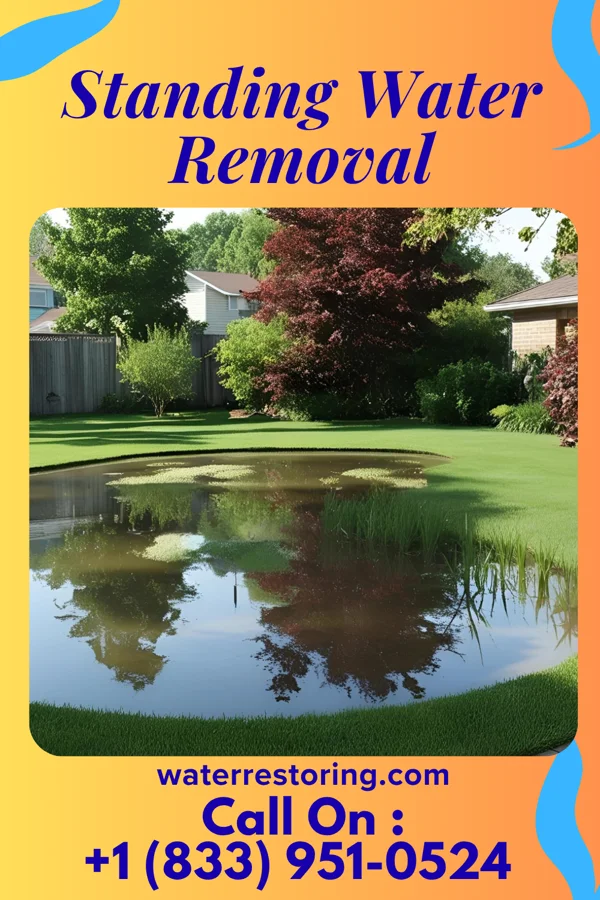
Ohiowa Standing Water: What Owners Should Know
Residential or commercial, water damage emergencies in Ohiowa keep coming back to the same drivers. In Ohiowa, Nebraska, the primary water damage cause is often due to sudden plumbing failures, such as burst pipes or leaking water heaters, especially in older homes with aging infrastructure. Additionally, heavy rainfall during spring and early summer can lead to basement flooding, particularly in rural areas with less developed drainage systems. sits at the top of the list. A close second is Secondary causes include groundwater seepage through cracked foundations, leaking roofs during severe weather, and improper water management in agricultural areas. These issues are more common in the rural neighborhoods of Ohiowa due to the region's agricultural and residential mix..
Ohiowa experiences a continental climate with cold winters and warm summers, which can lead to frozen pipes in winter and excessive rainfall in spring. This climate pattern increases the risk of water damage from both freezing and flooding, making rapid response critical.
Water damage in Ohiowa follows a few local patterns. In Ohiowa, Nebraska, the primary water damage cause is often due to sudden plumbing failures, such as burst pipes or leaking water heaters, especially in older homes with aging infrastructure. Additionally, heavy rainfall during spring and early summer can lead to basement flooding, particularly in rural areas with less developed drainage systems. accounts for the bulk of our calls. Ohiowa experiences a continental climate with cold winters and warm summers, which can lead to frozen pipes in winter and excessive rainfall in spring. This climate pattern increases the risk of water damage from both freezing and flooding, making rapid response critical. In Ohiowa, mold can begin to grow within 24 hours of water exposure, especially in the humid spring and summer months. Quick action is essential to prevent mold from spreading in homes and commercial buildings, particularly in rural areas with limited ventilation.